
"HAENG NAM"
115 article(s) found

Introduction of Brazilian Coffee single Bean Flavor description Variety planting Development History of producing area treatment Manor
For the exchange of professional baristas, please pay attention to the coffee workshop (Wechat official account cafe_style). Brazil's coffee industry two large bags of coffee beans on coffee plantations in the state of Minas Gerais, Brazil. Taken in Sao Paulo, Brazil's coffee industry accounts for about 1/3 of the world's total output and is currently the world's largest coffee producer. Coffee cultivation in Brazil

How to use smart cup to brew delicious coffee smart cup grinding degree water temperature powder water ratio correct usage
Professional coffee knowledge exchange more coffee bean information please follow the coffee workshop (Wechat official account cafe_style) smart cup use skills smart cup extraction principle introduction smart filter cup is one of the items, not only widely recognized by the international, but also many boutique coffee shops designated to use the instrument, because of its simple mode of operation, so that every beginner can easily use
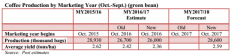
Vietnam Coffee Annual report 2017
Main points of the report Vietnam coffee production in 2016 / 17 was revised from 26.7 million bags to 26 million bags due to abnormal rainfall during the harvest season, resulting in a smaller than expected yield. The weather conditions were good in the first half of the year, with an estimated production of 28.6 million bags, an increase of 10 per cent over the 17th of 2016. The abundant rainfall from January to March makes the coffee tree send out more branches and bloom.
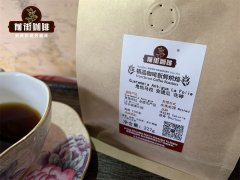
Top boutique coffee from all over the world what is the difference between boutique coffee in different countries and regions
The ideal conditions for the growth of coffee trees can be found all over the world, located in the equatorial zone between 25 degrees north latitude and 30 degrees south latitude, known as the bean belt. Fussy Arabica coffee grows best in high-altitude fertile soil, while healthier robusta coffee prefers higher temperatures and thrives on lower ground. From the species of plants, the chemical composition of soil,
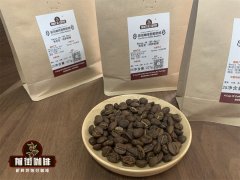
Where is the world's best coffee produced? what's the difference in the taste of all kinds of coffee?
The ideal conditions for the growth of coffee trees can be found all over the world, located in the equatorial zone between 25 degrees north latitude and 30 degrees south latitude, known as the bean belt. Fussy Arabica coffee grows best in high-altitude fertile soil, while healthier robusta coffee prefers higher temperatures and thrives on lower ground. From the species of plants, the chemical composition of soil,
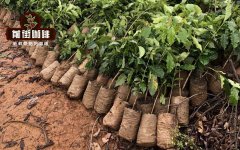
The impact of the epidemic on the coffee industry in 2020 How to deal with the impact of the epidemic from producing areas to stores
As we all know, 2020 is an important year for the coffee industry. Due to Covid-19, logistical problems and the widespread closure of cafes have taken a huge toll. But, of all the difficulties facing the supply chain, stakeholders across the industry work together to innovate and address them. Industry-wide discussions highlight the importance of collaboration and explore

Costa Rican coffee Costa Rican coffee flavor Costa Rican origin
The coffee beans produced in the high latitudes of Costa Rica are famous in the world, full-bodied, mild in taste, but extremely sour. The coffee beans here have been carefully processed, which is why they have high-quality coffee. Tarasu, located in the south of SanJos, the capital of Costa Rica, is one of the most valued coffee growers in the country. Tarasu (

A glimpse into the Origin of Arabica Organic Coffee in Southeast Asia A brief discussion on Coffee drinking Culture in Asia
Professional coffee knowledge exchange more coffee bean information please follow the coffee workshop (Wechat official account cafe_style) Arabica _ Arabica coffee beans _ Arabica and Robusta coffee cultivation in Southeast Asia, in modern times there have been considerable prospects for development. Among them, many coffee growers have also begun to invest in organic, sustainable and fair trade efforts, especially in Thailand

Boutique Coffee introduction to 53 Coffee producing areas around the World
forty-four. In 1715, the first coffee trees (about 40) were transported from the Yemeni port of Moka to La Runion, but unfortunately only two survived. By 1719, coffee plantations had flourished and the first beans were sold. Over the next few years, the government took a hard measure: the islanders, black and white, had to plant 100 coffee trees a year.

The Flavor characteristics of the three Coffee producing areas in the World introduction to the characteristics of Coffee Bean producing areas in Yunnan and Indonesia
Professional coffee knowledge exchange more coffee bean information please follow the coffee workshop (Wechat official account cafe_style) appreciation of coffee trees from various coffee bean producing areas of the world is a genus of Rubiaceae in botany. Coffee trees are native to subtropical Africa and southern Asia.

Coffee producing countries, regions and integration
Bolivian coffee variety: Arabian coffee production: 150.000 bags with snow-capped mountain terrain, vast plateau and tropical rain forest, Bolivia has ideal coffee production conditions. More than 90 per cent of the coffee produced in Bolivia is produced in high-temperature and humid climates, with elevations of 500 to 1600 metres above sea level in the tropics of La Paz. Another very important production area

A HISTORY OF THE INTRODUCTION AND EXPANSION OF COFFEE IN EARLY CHINA (IV)
1. 1.1 In May 2004, the author investigated the coffee growing areas of Gukeng and Alishan in Yunlin and Chiayi counties, Taiwan. In November 2009, I visited Gukeng in Yunlin County, Dongshan Coffee Planting Area in Tainan County, Jianhu Mountain World Coffee Museum, World Coffee Exhibition in Taipei and Taiwan National History Museum.

A textual Research on the early introduction of Coffee in Taiwan in 1884
1.1 in May 2004, the author visited Gukeng in Yunlin County and Alishan Coffee growing area in Chiayi County, Taiwan. In November 2009, I once again visited Gukeng in Yunlin County and Dongshan Coffee growing area in Tainan County, Jianhu Mountain World Coffee Museum, and visited the World Coffee Exhibition in Taipei and the National Museum of Taiwan History. 1.2 before the 16th century, Westerners had roots on the dinner table
The History of Coffee introduction and expansion in China in the early stage (4)
1. Textual Research on the early introduction of Coffee in Taiwan in 1884 1.1 in May 2004, the author investigated Gukeng in Yunlin County and Alishan Coffee growing area in Chiayi County. In November 2009, I once again visited Gukeng in Yunlin County and Dongshan Coffee growing area in Tainan County, Jianhu Mountain World Coffee Museum, and visited the World Coffee Exhibition in Taipei and the National Museum of Taiwan History.

History of introduction and expansion of Coffee in China in the early stage of Coffee Development (4)
1. Textual Research on the early introduction of Coffee in Taiwan in 1884 1.1 in May 2004, the author investigated Gukeng in Yunlin County and Alishan Coffee growing area in Chiayi County. In November 2009, I once again visited Gukeng in Yunlin County and Dongshan Coffee growing area in Tainan County, Jianhu Mountain World Coffee Museum, and visited the World Coffee Exhibition in Taipei and the National Museum of Taiwan History.
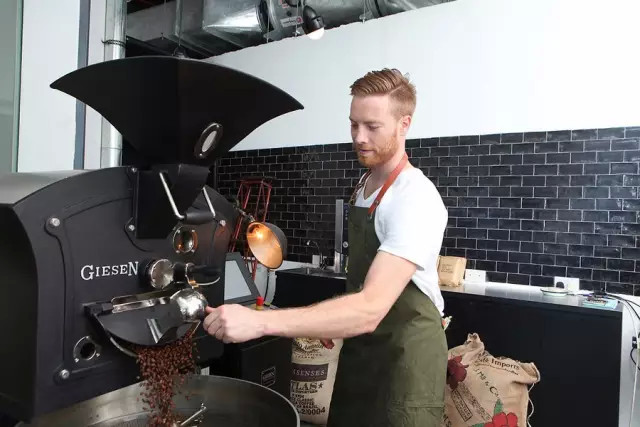
What 4c certification? 4c certification of coffee
4C coffee certification is a development trend. 4C certification is a widely accepted management rule in the world, which involves the sustainable development of coffee cultivation, production, processing and other aspects of the supply chain. This article is based on the translation of FAQ on 4C Coffee Certification provided by 4C website. It is for reference only. If there is anything unclear, please refer to the original text of 4C website. 1. 4C organization related brief answer 1.
Introduction of Coffee from 53 Coffee producers in the World (5)
forty-one. Coffee cultivation in Zimbabwe (Zimbabwe) began relatively recently, in the 1960s, when farmers in southern Africa set up coffee plantations. Coffee cultivation in Zimbabwe is mainly concentrated in the eastern highlands near Mozambique, mainly by the Chimanimani mountains and northward Nyanga (Ny).
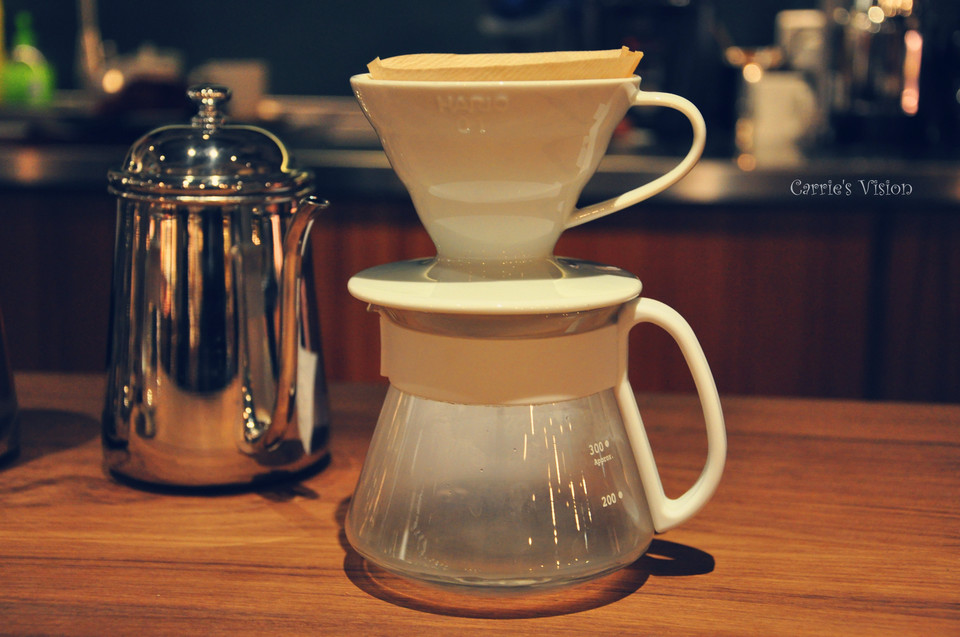
Learn about coffee 4C Association Coffee Certification details
4C certification is a widely accepted management rule in the world, which involves the sustainable development of coffee cultivation, production, processing and other aspects of the supply chain, including social, environmental and economic principles. Coffee practitioners are required to protect biodiversity, protect all kinds of national endangered animals and plants, correctly use and handle pesticides and other chemicals, protect the natural environment and
Coffee bean certification body 4C Association Coffee Certification
4C certification is a widely accepted management rule in the world, which involves the sustainable development of coffee cultivation, production, processing and other aspects of the supply chain, including social, environmental and economic principles. Coffee practitioners are required to protect biodiversity, protect all kinds of national endangered animals and plants, correctly use and handle pesticides and other chemicals, protect the natural environment and
4C Coffee Certification body what is 4C Association
4C certification is a widely accepted management rule in the world, which involves the sustainable development of coffee cultivation, production, processing and other aspects of the supply chain, including social, environmental and economic principles. Coffee practitioners are required to protect biodiversity, protect all kinds of national endangered animals and plants, correctly use and handle pesticides and other chemicals, protect the natural environment and